
Indian cinema, known as the globe’s biggest film factory, has long been both a mirror and moulder of culture. One of the most revealing shifts in this film universe has been the trajectory of women focused movies. These sidelined or watered-down stories have swung into a strong and distinctive niche of Indian film culture. This transformation hasn’t just been about increasing female screen time — it’s been about changing the storytelling perspective so that women are the protagonist, rather than the object, of the story.
Silent Films and Myth
The first Indian films, like Dadasaheb Phalke’s Raja Harishchandra (1913), didn’t even have women in them — men portrayed female characters because it was taboo for women to act. As cinema developed, women started to show up on screen, even if only in extremely archetypal roles. Mythological dominated the early years and females were typically gods or goddesses or dutiful wives. Their identities were still strongly tethered to the men around them and their agency limited.
A handful of the earliest films did sow seeds of transformation. Fatma Begum, hailed as Indian cinema’s first female director, debuted with Bulbul-e-Paristan in 1926. Despite scant information on the film today, her trailblazing spirit paved the way for women filmmakers to come.
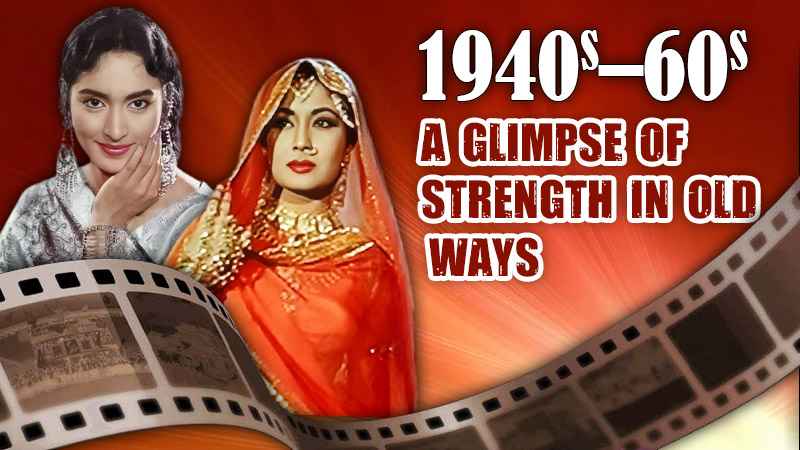
1940s–60s: A FLAIR FOR FORTITUDE IN THE ANCIENT TRADITION
During and immediately after India’s fight for independence, cinema started to mirror the changing currents of nationalism and social reform. Women-focused movies back then were frequently about giving, battling tenaciously and being good on the inside and out.
Perhaps the most iconic example was Mehboob Khan’s Mother India (1957), which immortalized Nargis as Radha, a cultural archetype. Radha’s position as a mother who opted for justice rather than kinship said a great deal about women’s moral agency. While rooted in convention, her courage and independence broke new ground.
The 1950s and 60s also saw stars like Meena Kumari, Nutan, and Vyjayanthimala playing complex characters that often juggled duty, love, and personal conflict. Like them, other 1950s and 60s films grappled with serious themes. They pretty they did with most excellent sense. ‘Bandini'(1963)and ‘Sujata'(1959)were two such movies. Sometimes, the manner in which these films portrayed these issues was nearly lyrical.These women were still martyrs and not independent identities.
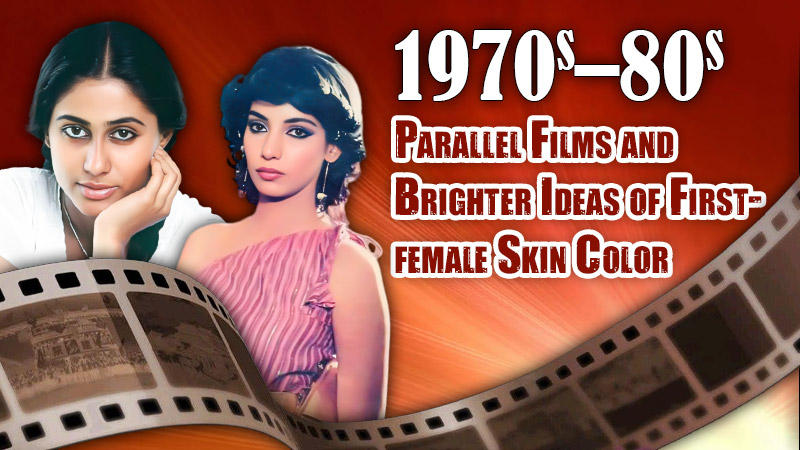
70s–80s: Parallel Movies and Bolder Concepts of First-female Skin Tone
Though big movies were still mostly about men, women carved out new space, and found their way of doing things. Directors such as Shyam Benegal, Govind Nihalani and Sai Paranjpye made room for women’s narratives to thrive.
Shabana Azmi and Smita Patil became the face of this wave, with films such as Arth (1982), Bhumika (1977) and Mirch Masala (1987) portraying women as independent human beings struggling with the status quo. These tales didn’t shrivel from tough topics. Sexual freedom, domestic abuse, identity, and inner turmoil were responsibly investigated.
Arth, which was produced by Mahesh Bhatt, resonated with a lot of people because it recounted the tale of a woman who’d been abandoned by fate but who nevertheless found her way. Smita Patil’s usually intense and nuanced roles reconstructed the shape of female performances.
1990’s: Commercial Cinema starts to listen.
By the 1990s, the wider Bollywood landscape was still overwhelmingly male-driven and action drama-heavy. Some films started to turn. Movies such as Meenakshi Seshadri’s ‘Damini’ (1993) took on the subject of justice and the quieting of women in society. Our hero’s quest was for bravery in a world that squelches it.
Another major film of the decade was ‘Mrityudand‘ (1997) which interrogated patriarchy in rural India. These tales were more socially aware and aimed at stories about the daily battle of women in a transforming world.
Most blockbuster productions still favored male narratives. Girls-centric movies were frequently thought of as box office poison, and actresses had a shorter shelf life than actors.
The Days of Female Leads
The early 2000s introduced a slow but visible change. Actress such as Rani Mukerji, Tabu and Vidya Balan started leading movies that weren’t necessarily love interests.
Chandni Bar (2001), by Madhur Bhandarkar, narrated the hard-hitting tale of a bar dancer who had to raise her children in a milieu of crime and social stigma. Tabu’s acting was raved about by everyone. Bhandarkar kept digging into women-centric stories with ‘Page 3’ and ‘Fashion’, where Priyanka Chopra helmed a gripping tale about ambition, exploitation and survival.
“Black” (2005) gave Rani Mukerji one of her mightiest roles—a deaf and blind woman fighting for an education and dignity. It demonstrated that audiences would connect and commit to female-driven stories without the old-school love story gimmicks.
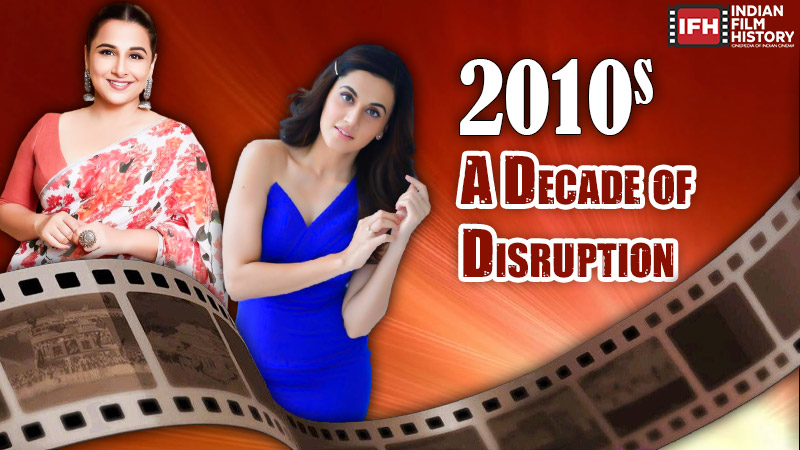
2010s: Ten years of disruption
This was a decade where women-centric movies really came into their own.Filmmakers and audiences started shunning the cookie-cutter damsel and embracing flawed, fierce and real women.
Kahaani (2012), with Vidya Balan, was a game-changer. A thriller with a pregnant woman as the lead not only defied type, it was a box office success. It proved that a woman could lead an entire film with power and nuance.
“Queen” (2014) took this further. Rani’s solo honeymoon was a journey, big and small, to find her self. With the success of Piku (2015), Tumhari Sulu (2017) and Raazi (2018), she demonstrated that audiences were ready and hungry for diverse and nuanced stories centered around women.
Films like ‘Pink’ (2016) and ‘Thappad’ (2020) tackled the patriarchal mindset and consent head-on, igniting debates across the country. These movies weren’t just movies — they were social critiques that dared the viewer to self-reflect.
Silent Juggernauts
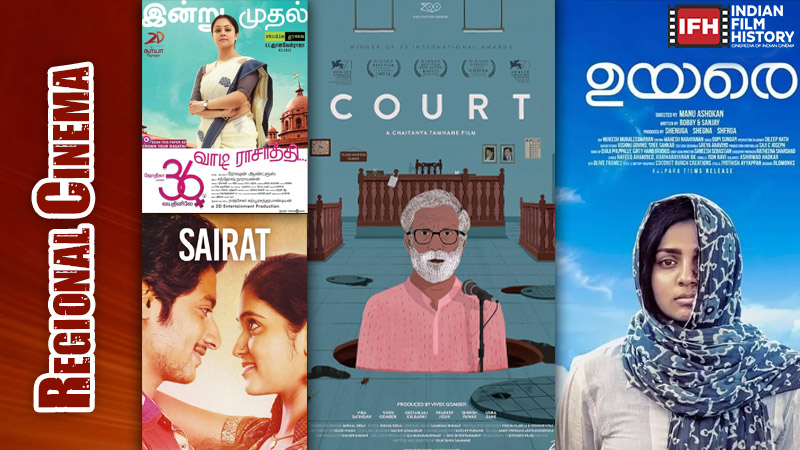
As Bollywood caught up, regional cinema was already setting the standard. Malayalam, Marathi, Tamil and Bengali cinema have been consistently serving up powerful women-centric narratives.
Tamil gave us 36 Vayadhinile (2015), the story of a house wife taking back her identity. Marathi cinema’s Court’ (2014) and Sairat (2016) presented social realities featuring powerful women voices.
Malayalam films such as Uyare (2019), which tells the story of an acid attack survivor on the path to becoming a pilot, pushed the boundaries of what was possible. Bengali cinema, with auteurs such as Rituparno Ghosh, had for years been exploring themes of gender and identity with deep sensitivity.
OTT Platforms and the 2020’s: A Digitally Led Revolution
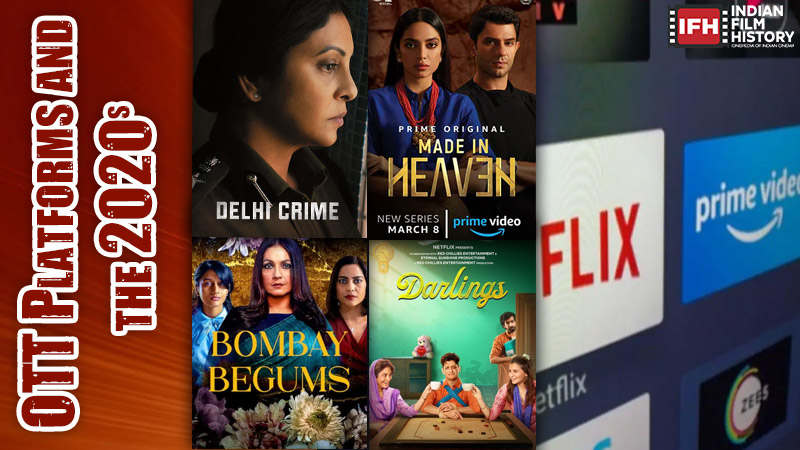
The advent of OTT platforms such as Netflix, Amazon Prime and Disney+ Hotstar democratized access and storytelling. Women filmmakers and writers got room to tell tales that didn’t have to carry box office loads.
Series such as Delhi Crime, Bombay Begums and Made in Heaven featured multi-dimensional female characters confronting internal and external tribulations. Movies such as Darlings (2022), featuring Alia Bhatt, examined domestic abuse with biting wit and tenacity.
Payal Kapadia’s All We Imagine as Light (2023) was the first Indian film in 30 years to compete at Cannes and went on to win the Grand Prix in 2024. It was a big deal for women from India in movies all across the world.
Behind the Camera: Women Directing
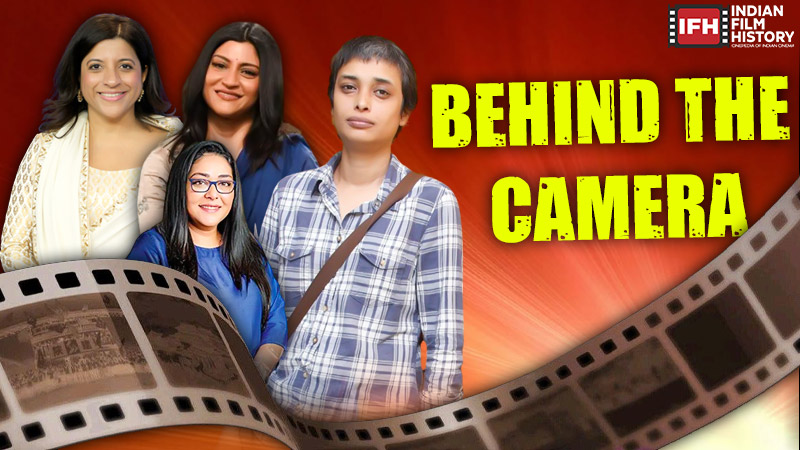
Women running behind the scenes have a role that can be viewed profound into that’s correct. Directors such as Zoya Akhtar, Meghna Gulzar, Reema Kagti, Konkona Sen Sharma and Ashwiny Iyer Tiwari have injected new perspectives into Indian cinema.
Their work covers genres from the psychological drama of Talvar (2015) to the coming-of-age delight of Bareilly Ki Barfi (2017). It’s not enough for these filmmakers to just put women front and center, they essentially tailor the story around their experiences.
Plus, producers such as Guneet Monga (“The Lunchbox,” “Period. End of Sentence”) and Ekta Kapoor have shown that championing women’s stories can be both critically and commercially viable.
An Obstacles and the Path Forward
Even with these advances, obstacles persist. Pay gaps, pigeonholing and the cult of youth still haunt the business. There’s the danger of tokenism—making women-driven movies that feel ‘woke’ on paper and yet perpetuate the same old tropes beneath.
The winds of change are inescapable. Young audiences have more information access, are far more prepared to talkback, and want the authenticity to rock. Social media has brought representation, accountability, and diversity to the forefront of the conversation.
India’s film schools are filling up with women and the future of women storytellers looks bright. Initiatives such as Women in Film India (WIF India), pioneered by Guneet Monga on launchpad Cannes 2025, seek to foster safe, equitable spaces for female members in the industry.
Summary
The women’s pic stories in Bollywood movies depict how lifestyle has evolved. Mythical mothers to radical firebrands, silent screen sirens to outspoken victors, the Indian woman on screen has come a significant distance.
This ride is just beginning. As cinema will continue to shape and be shaped by the world around it, women-centric stories will not only be occupying space but rewriting the language of Indian storytelling as we know it. By doing so, they’ll not only embolden characters on screen but motivate generations off it as well.


Leave a Comment