

Referred to to as the Showman of India, Raj Kapoor’ turns 100 this year. Born on December 14, 1924, in Peshawar, Raj Kapoor was one of the most iconic figures of Indian cinema. Born to legendary filmmaker and theatre icon Prithviraj Kapoor, Raj Kapoor inherited a rich cinematic legacy, which he elevated by combining entertainment with powerful social themes—depicting poverty, love, and the resilience of the human spirit. Today, he is remembered as an icon and inspiration whose acting, storytelling, and filmmaking continue to influence filmmakers, actors, and fans worldwide, all drawn to his charismatic, larger-than-life presence.
As a Tribute to India’s greatest showman
the Indian Cinema Celebrates Raj Kapoor‘s Centenary Celebrations from 13-15th December 2024. A grand film festival is being organised as a retrospective to his work titled “Raj Kapoor @100—Celebrating the Centenary of the Greatest Showman.”
To mark Raj Kapoor’s contribution to the Indian Cinema, the film festival is organised by R K Films, the Film Heritage Foundation, NFDC, NFAI and cinemas, who have come together to mark his
contribution to Indian cinema. The three-day fest will showcase 10 films of Raj Kapoor across 40 cities and 135 cinemas from December 13th to 15th.
Raj Kapoor’s films have garnered international acclaim, particularly in the Soviet Union and Middle East. His notable works include “Mera Naam Joker”, “Sangam”, “Bobby”, and “Awaara”, among others. Recently, his films were showcased at prestigious festivals like TIFF and IFFI, which paid tribute to his legacy.
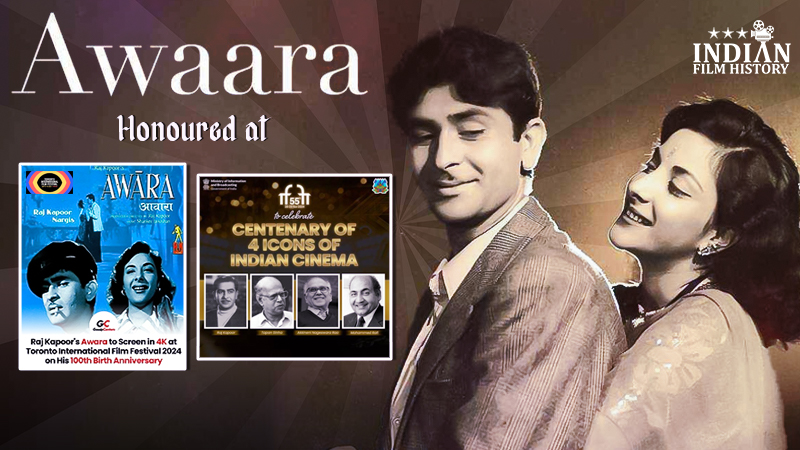
A Century of Magic: Celebrating Raj Kapoor’s Legacy
Raj Kapoor was a huge romantic. Raj Kapoor’s films often featured women with sex appeal, frequently dressed in white. His iconic pairings with Nargis in films like “Awaara” and “Shree 420” showcased sensual chemistry, memorable romantic songs, and timeless on-screen magic.
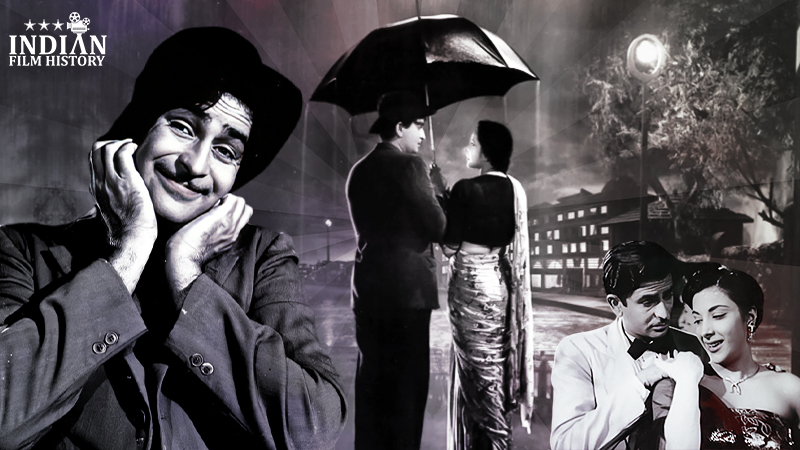
“The Showman Lives On: Raj Kapoor at 100”
Raj Kapoor introduced many actresses
including south superstar Padmini and Vyjayanthimala making them the screen
icons. When Nargis left RK Banner for Mehboob Khan’s “Mother India”, Padmini became Raj Kapoor’s new muse after meeting at the Moscow Youth Festival. He cast her in “Jis Desh Mein Ganga Behti Hai”, marking a new chapter in their creative partnership. He
captured her beauty again by casting her in ‘Mera Naam Joker.’

“Timeless Cinema, Timeless Icon: Raj Kapoor’s 100th Birthday”
Vyjayanthimala was already an established
Bharatnatyam dancer and an actress when she met Raj Kapoor. Vyjayanthimala’s poise and elegance earned her roles in films like “Devdas” and “Naya Daur” with Dilip Kumar. Raj Kapoor wanted her for “Sangam”, but she declined due to personal reasons.
But, Raj Kapoor persisted to convince her
until she accepted the role, which became a turning point in her life. Her
Exquisite costumes were designed by Oscar-winning designer Bhanu Athaiya. Her
selection of costumes for ‘Main ka Karoon Ram’ and her cabaret like
performances became instant hits. Vyjayanthimala’s iconic red swimsuit in “Jewel Thief” and later the memorable red costume in “Chalti Ka Naam Gaadi” although bold for its time, paved the way for South Indian actresses like Sridevi and Hema Malini to transition to Bollywood.

The showman had his journey of ups and
downs, but he kept going strong, saying the show must go on. ‘Mera Naam Joker’
was Raj Kapoor’s dream project, which showcased the relationships he shared
with the women in his life. He was so passionate about the subject that he
pumped most of his savings into it. The film featured Simi Garewal, Padmini and
the Russian actress Kseniya Ryabinkina. The film sparked major buzz for its sexual content and semi-nudity but surprisingly didn’t receive an ‘A’ certificate. Despite the curiosity it generated, it flopped at the box office, pushing Raj Kapoor to the brink of bankruptcy.

“A Tribute to the Master Showman: Raj Kapoor at 100”
During a financial crisis, Raj Kapoor cast his son Rishi Kapoor in “Bobby” opposite Dimple Kapadia, which became a massive hit with its fresh teenage romance. The film also created a style statement with Dimple Kapadia’s tie-up tops
and short skirts.
Raj Kapoor appeared deeply drawn to the idea of inner beauty overshadowing physical flaws. He first explored this theme in Aag, where he played a man with a burnt face. “Satyam Shivam Sundaram” stars Zeenat Aman as a woman with a scarred face and a divine voice. The film sparked uproar for its overt sensuality and visual boldness. While public opinion was divided, the censor board surprisingly had no major issues with the nudity. However, Kapoor was advised to tone down certain scenes, which he edited tastefully to preserve artistic intent without appearing vulgar.

“A Century of Raj Kapoor: Magic, Memories, and Milestones”
Ranbir Kapoor praised Raj Kapoor’s filmmaking, saying he’s a bigger fan of his grandfather as a filmmaker than as an actor. He highlighted RK’s films addressing social issues like casteism in “Awaara” and greed in “Shree 420”.
Raj Kapoor’s iconic portrayals in films like “Awaara” and “Shree 420” showcased his Chaplin-esque characters – a poor, honest man navigating the city’s moral complexities, torn between virtue and temptation.
In Awaara Raj Kapoor plays a criminal who
changes for the love of his life, played by Nargis. The film earned many
international recognitions for the song “Awaara Hoon” becoming a
global hit especially resonating in Russia, the Middle East, and other parts of
Asia. Indian movies became widely popular in Soviet Russia,because they had
closed Western and Hollywood movies. His films like “Mera Naam Joker” and “Awaara” resonated with the Soviet audience due to their social themes, and RK actively promoted his work to connect with them.

Raj Kapoor received numerous accolades, including multiple Filmfare Awards for Best Director and Best Actor, the Padma Bhushan (1971), and the Dadasaheb Phalke Award (1987) for his contributions to Indian cinema.His films garnered international acclaim, earning nominations and celebrations at numerous global film festivals.

Raj Kapoor passed away on June 2, 1988, but his influence on Indian
Cinema lives on, cementing his place as one of its greatest showmen.



Leave a Comment