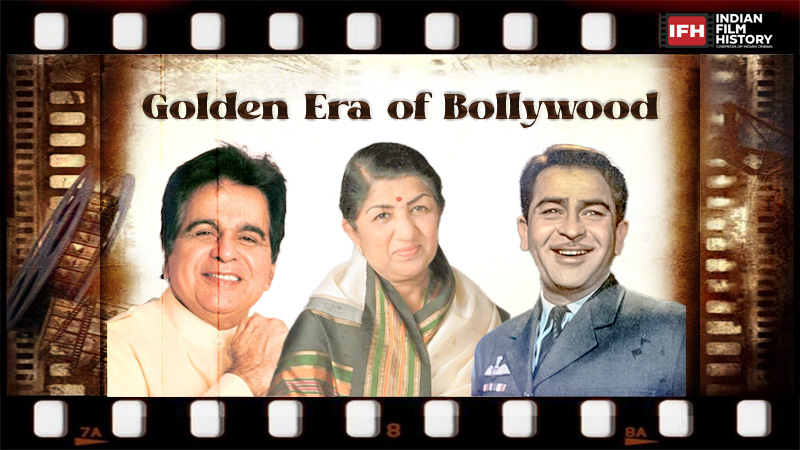

The 1950s through the 1970s were a significant period in Indian cinema that is referred to as the Golden Era of Bollywood. It was a time when storytelling matured, music reached its poetic zenith, and performances resonated deeply with audiences across the country. Some of the best films, performers, and imaginative minds in Indian cinematic history were born during this time. More importantly, it set the foundation for what Bollywood would become in the global entertainment arena.

Cinema Reflecting a Nation’s Soul
India gained independence in 1947, and the years that followed were crucial in shaping its national identity. The film industry replied by using film to show the hopes, pains and dreams of a new land. The film was a way to show what life was like in a real sense, not by a single man, but by the group of people.
Movies like Do Bigha Zamin (1953) showed how hard it was to be poor and move from one place to another in a land that was coming to be. The character had to go through a lot of pain to show the pain that happened to millions of Indians when they tried to adjust to the new way of life. And Pyaasa (1957), with its special story telling and harsh look at greed, took the voice of many young people who had just been free.
These films were not just fun to see but they were real films that showed a country that was trying to find its voice. The best time of Bollywood was born with both strength and will and that story can still be felt in the stories of those who make movies today.

The Ascent of Iconic Filmmakers
The period from the 1950s to 1970s saw the rise of iconic directors who treated cinema as an art form. Filmmakers like Bimal Roy, Guru Dutt, Raj Kapoor, and Hrishikesh Mukherjee created stories with heart and substance.
- Raj Kapoor with movies like Awaara (1951) and Shree 420 (1955) played common man’s woes through his lovable tramp-like man.
- With eerie imagery, Guru Dutt’s films, particularly Kaagaz Ke Phool (1959), examined artistic despair and social rejection.
- Bimal Roy’s Sujata (1959) fought against caste bias, and spread modern ideas.
- Hrishikesh Mukherjee in fact, used middle class life with movies like Anand (1971) and Abhimaan (1973) to give the humor that had some real life lessons.
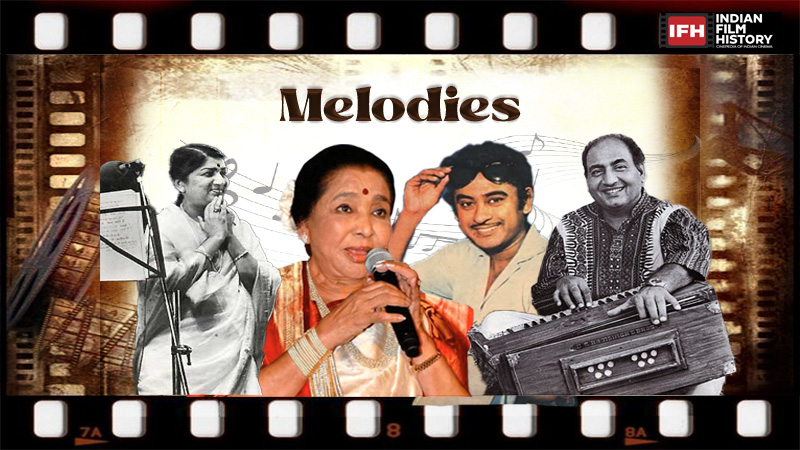
Melodies That Changed years
The music from Bollywood’s Golden Time is some of its best. Songs from this time were not just part of the story—they made it. They showed feelings, helped the story move, and stayed in people’s minds long after the end.
Greats like Mohammed Rafi, Kishore Kumar, Lata Mangeshkar, and Asha Bhosle delivered timeless performances under the guidance of musical geniuses such as S.D. Burman, Naushad, Madan Mohan, and Shankar-Jaikishan.
Think of this: Lata Mangeshkar’s song “Lag Ja Gale” from Woh Kaun Thi? (1964), made by Madan Mohan, is still used in cafes, movies, and parties. Those songs were full of words because of Sahir Ludhianvi, Shailendra, and Kaifi Azmi.
In short, music from this time not only helped the story, but it made the film alive. No doubt the Golden Era of Bollywood is just as much about the songs.
Emotionally Attractive Characters
The main people of this time were very full of life and very real. Dilip Kumar, called the “Tragedy King,” showed very full of life feelings that had a strange but real feel to them in films like Devdas (1955) and Gunga Jumna (1961). He was often like the man inside and outside of himself and he was very full of life.
Raj Kapoor, who was like the clown, gave his characters a lot of feeling and hope. He could make you laugh and cry. Dev Anand, with his smooth looks and smart appeal, was the man of love stories, such as Jewel Thief (1967) and Guide (1965).
The women were just as full of life. Meena Kumari, who was the “Tragedy Queen,” made a mark with her part in Sahib Bibi Aur Ghulam. Madhubala, with her light eyes and her hold over Mughal-e-Azam (1960), is a woman we will never forget. Nutan and Waheeda Rehman gave us women who could be full of life and smart and who could give us feelings with a lot of meaning.
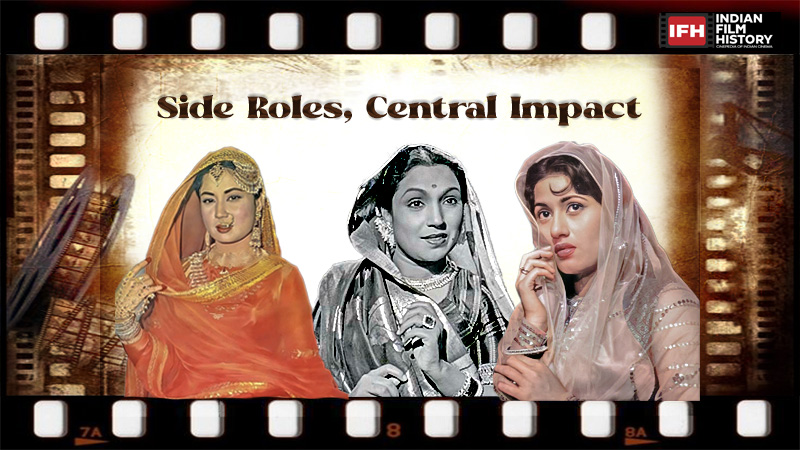
The Show-Stealing Supporting Stars
The true strength of the Golden Era of Bollywood lies in its great character actors. Once a villain, Pran was a man who became one of the best and brightest of his time. In such films as Zanjeer and Upkar his talent in playing a small part took his work to a new level.
Johnny Walker and Mehmood taught folks how to laugh clean and smart. Their acts made us smile and made the story still work. Lalita Pawar, Durga Khote, and Ashok Kumar provided gravitas in maternal, patriarchal, or moral compass roles.
Each character actor contributed to a fuller, richer cinematic experience, making even small roles memorable.
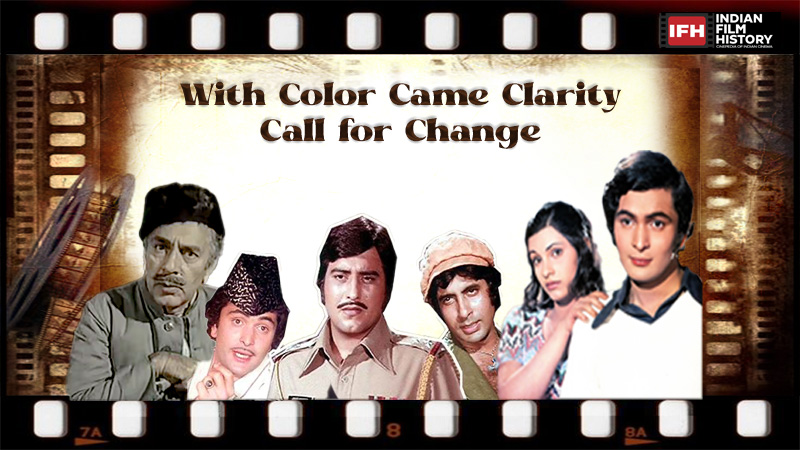
Technological Achievements
During this time, Bollywood saw big changes to how films were made. Films went from black-and-white to color. The way photographers used shadow, light and darkness changed to show how the film felt.
The first movie in India made with a special way of showing movies, Kaagaz Ke Phool, was like a poem. As years went by, films like Bobby (1973) and Amar Akbar Anthony (1977) used color to show bigger, more grand images. They would do this more often in the 1980s.
Most of all, the work that went into the background, how the actors looked in their clothes and how the sound was altered, became even more important and made watching movies more real.
Using Film as a Tool for Social Change
But the best trait was how it dared to say what it thought. Films did not shy away from the truth about our beliefs.
- Sujata looked at caste based hate with one of its kind care.
- Garam Hawa (1973) understood the pain of Partition and its after effects.
- Ankur (1974) exposed the ugly side of feudalism and gender inequality.
These films did more than just make us laugh or cry. They made us think. Today, you will find them in all film schools and in most lists of the best pictures.

Impact on Contemporary Filmmaking
Modern Bollywood still has a debt to the Golden Era of Bollywood. Film makers such as Sanjay Leela Bhansali, Shoojit Sircar, and Zoya Akhtar, all say they get their “push” from this time in film. They have learned how to keep the beauty that a show makes us see, while making the show touch us. This balance, that we find in today’s shows, has come about by the work of the 1950s–70s.
Many contemporary songs are remixes or adaptations of golden-era originals. Films are frequently remade or re-released in high-definition formats. Festivals and retrospectives are organized in honor of this glorious time.
Even actors today draw lessons from the expressions, body language, and dialogues of stars like Dilip Kumar and Meena Kumari, treating them as reference points for authentic performance.
Cultural Heritage and Enduring Impact
The Golden Era’s effect is much more than just the word ‘old’. Many of today’s film-makers say they get their main pull from this time. Men like Sanjay Leela Bhansali, Imtiaz Ali and Zoya Akhtar have all, at some point, put this time’s story telling, song use and feeling into what they have made.
In fact, the movies from this time will often be seen again, made new and shown again. There are now many of the works from this great time on many of the web sites. They are shown again, so the young ones, who may not have seen them in the cinema, can see them now.
International Acknowledgment and Cultural Export
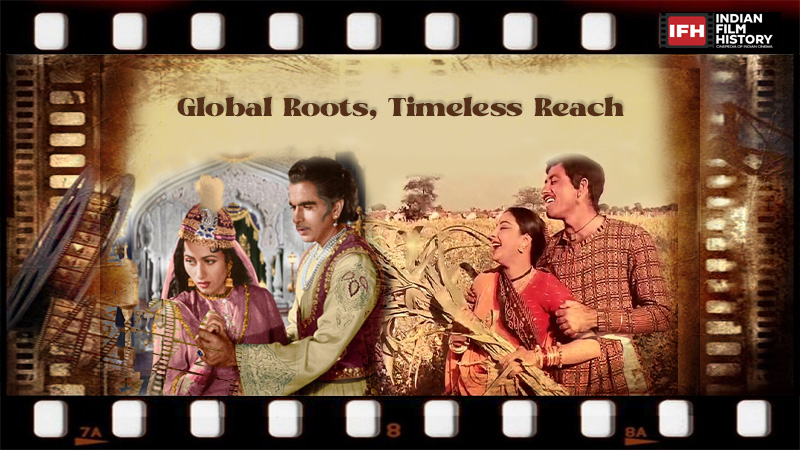
This is when Bollywood’s world growth first happened. Films like Mother India and Mughal-e-Azam were screened internationally and earned critical acclaim. Indian music, dance, and fashion spread all over Asia, the Middle East, and the old Soviet lands.
The foundation for the current global Bollywood fandom was established by this early exposure.The Golden Era of Bollywood was instrumental in introducing Indian cinema to the global stage, not just as exotic fare, but as compelling, emotional storytelling with universal themes.
Conclusion: A Legacy Etched in Time
The Golden Era of Bollywood (1950s–1970s) is the most well known name in Indian films’ long past. This was not just a time of films; these were movements, feelings, songs, and ideas that still go on changing lives some 50 plus years after they made the art. With great leadership, great music, great acting and bold ideas, this was the best time.
Even after we moved into today’s world of new ways of telling stories and new ways to do it, the real heart of film is still in the beat of the old way. As we look ahead to the future of Indian films, let us also glance back and pay tribute to the foundation laid during Bollywood’s golden era, when art and authenticity thrived.


Leave a Comment