

Amitabh Bachchan, commonly known as the “Big B” of Bollywood, has been ruling the hearts of Indian audiences for more than five decades. With his versatile acting skills and charismatic persona, Bachchan has established himself as a star who transcends generations. In this blog, we will explore three iconic movies from each decade of his career that showcase his influence and why he is considered a star for three generations.
1960s – The Beginning:
 Who’s the hottest in Bollywood? Top 10 most handsome actors revealed.
The 1960s marked the beginning of Amitabh Bachchan’s journey in the film industry. One of his notable movies from this decade is “Saat Hindustani” (1969), his debut film. This movie, directed by Khwaja Ahmad Abbas, portrayed the patriotic enthusiasm of seven individuals from different backgrounds coming together for a common cause. Bachchan’s performance in this film showcased his potential and set the stage for his future success.
1970s – The Rise to Superstardom:

The 1970s witnessed Amitabh Bachchan emerging as a superstar with his effortless portrayal of intense characters. One of his most iconic movies from this era is “Sholay“ (1975), directed by Ramesh Sippy. This action-packed drama, in which Bachchan portrayed the character of Jai, became a cult classic and still remains one of the highest-grossing Indian films of all time. Bachchan’s powerful dialogue delivery and on-screen chemistry with Dharmendra elevated his status as a superstar.
1980s – The Angry Young Man:
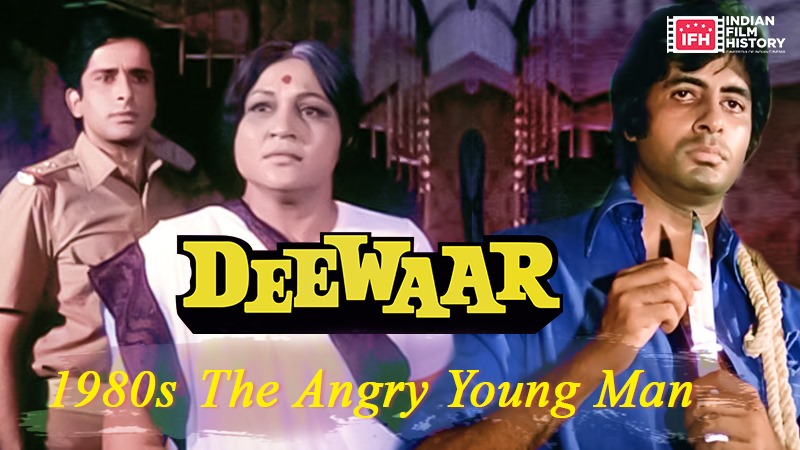
The 1980s defined Amitabh Bachchan’s persona as the “Angry Young Man.” One of the movies that exemplify this phase of his career is “Deewaar“ (1975), directed by Yash Chopra. Bachchan’s portrayal of Vijay Verma, a conflicted character torn between good and evil, struck a chord with the audience. The movie’s powerful dialogues and gritty storyline made it an instant hit and solidified Bachchan’s image as the epitome of rebelliousness.
1990s – Reinventing Himself:
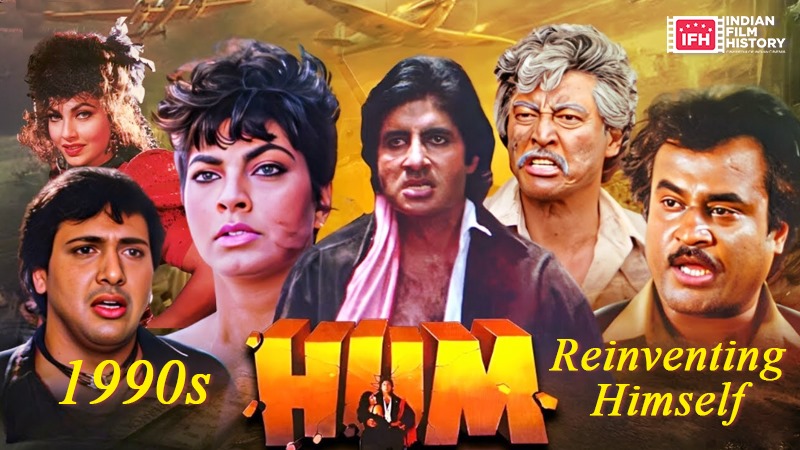
The 1990s saw Amitabh Bachchan reinventing himself and exploring diverse roles. One notable movie from this decade is “Hum” (1991), directed by Mukul S. Anand. Bachchan portrayed the character of Tiger, a Mumbai underworld don, with a perfect balance of intensity and vulnerability. This action-packed entertainer, combined with Bachchan’s powerful performance, made “Hum” a blockbuster hit.
2000s – The Mature Performances:
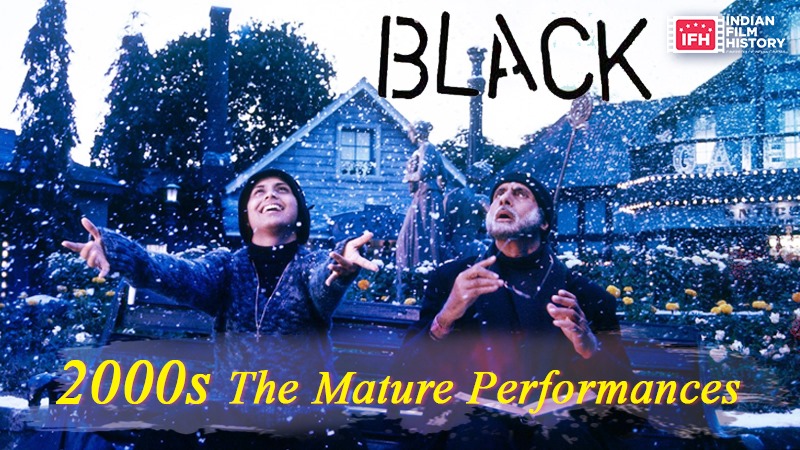
The 2000s witnessed Amitabh Bachchan showcasing his versatility with mature performances. One movie that portrayed his brilliance in this era is “Black“ (2005), directed by Sanjay Leela Bhansali. Bachchan portrayed the character of a teacher guiding a visually and hearing-impaired girl. His nuanced performance in this emotionally charged film earned him critical acclaim and several awards.
2010s – The Power of Ageless Stardom:
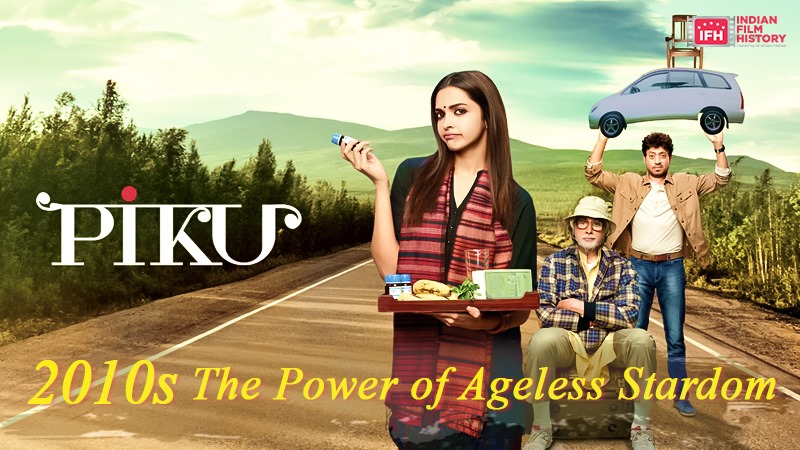
In the 2010s, Amitabh Bachchan continued to mesmerize audiences with his ageless stardom. One movie that exemplifies this is “Piku“ (2015), directed by Shoojit Sircar. Bachchan portrayed the character of Bhashkor Banerjee, an eccentric father, with effortless charm. His impeccable comic timing and chemistry with co-star Deepika Padukone made “Piku” a box-office success.
Conclusion:
Amitabh Bachchan’s journey from being a star for one generation to becoming the star for three generations is a testament to his brilliance and enduring popularity. Movies like “Saat Hindustani,” “Sholay,” “Deewaar,” “Hum,” “Black,” and “Piku” not only entertained the audiences but also showcased Bachchan’s evolution as an actor. With his charisma, talent, and iconic roles, he continues to reign as the star connecting three generations of entertainment.


Leave a Comment