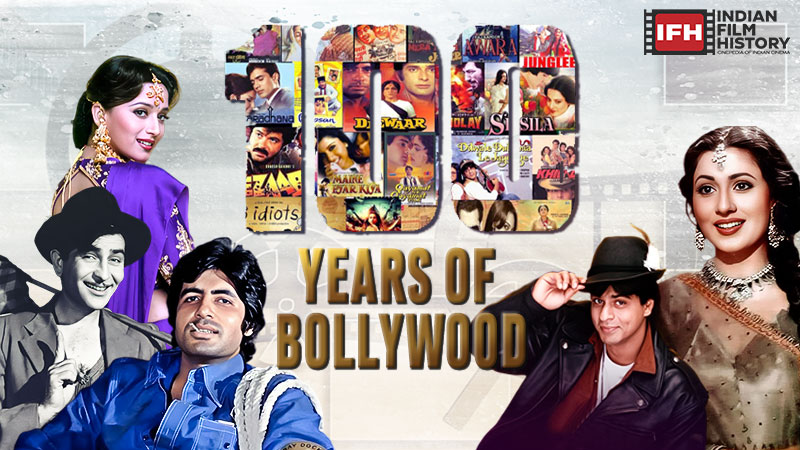

Bollywood has come a long way in the past 100 years from silent black-and-white films to today’s streaming blockbusters. Legendary Bollywood actors who set trends, shaped fashion, and captivated global audiences. Let’s explore the icons who transformed Indian cinema.
From the 1920s to the 1940s, the Pioneers
Dadasaheb Phalke & The Dawn of Performance
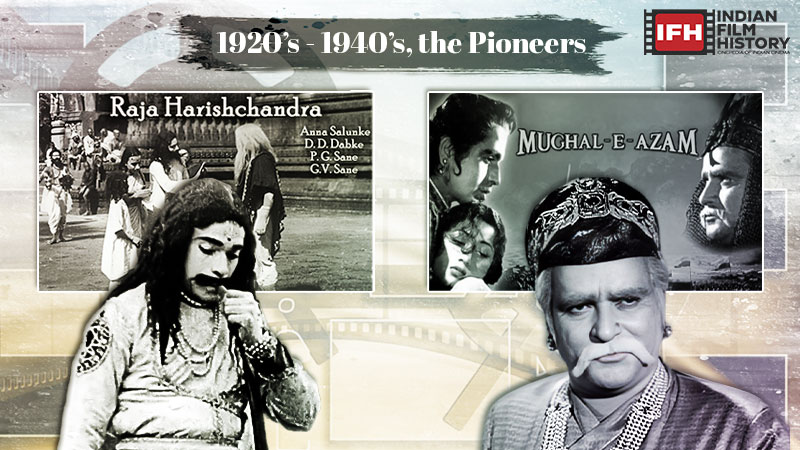
Even though he was never a star, Dadasaheb Phalke was the first in India’s film history. His early work made the way for many who would follow to do the same, to make the start of the 100-year ride of Bollywood. His first great film, “Raja Harishchandra” (1913), was the start of telling stories on a big screen in India. The actors in his work made gods and heroes from stories known to many, and early on, they laid out what would be the way to tell stories in the Bollywood way.
Prithviraj Kapoor – The Foundation of Gravitas
He was a first big name on stage and in movies, Prithviraj Kapoor. In films such as Do Khiladi (1927), he proved that one could act with such force it touched the heart. As he had hoped, his establishment of Prithvi Theatres in 1944 combined the joys of the stage and the screen and aided the work of his sons and grandsons.
Golden Age Icons (1950s–1960s)
Raj Kapoor – The Showman of Social Cinema
Often called “The Showman,” Raj Kapoor mixed fun with social truth. His skill at acting, making films, and putting on shows was clear in his big hits like Awaara (1951) and Shree 420 (1955) that changed the way commercial movies were made. Kapoor helped put together the idea of a ‘common man’ hero. He looked at parts of life like being poor, getting justice, and love. He did all this with lots of laughs and some tears.
The Tragic King, Dilip Kumar
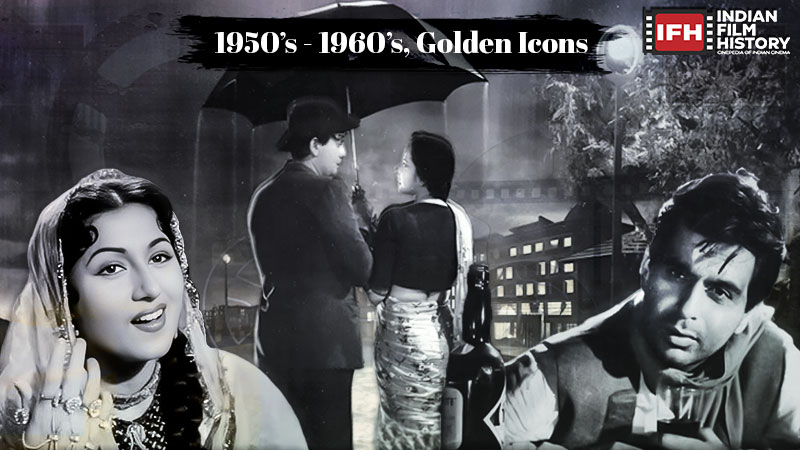
Dilip Kumar was renowned for his heartfelt and realistic acting style, showcased in films like “Devdas” (1955) and “Mughal-e-Azam” (1960), proving Bollywood’s global potential. Kumar’s deep acting showed a new way of “method acting” to Indian movies. His roles became real and human.
Madhubala – The Eternal Beauty
He was best known for his close to heart acting and real-life way of acting, which he did in movies like Devdas (1955) and Mughal-e-Azam (1960). His wide range of acting made the idea clear that Bollywood could come close to any other place in the world. Kumar’s deep acting showed a new way of “method acting” to Indian movies. His roles became real and human.
The 1970s and 1980s were a time of romance and charisma
Amitabh Bachchan – The Angry Young Man
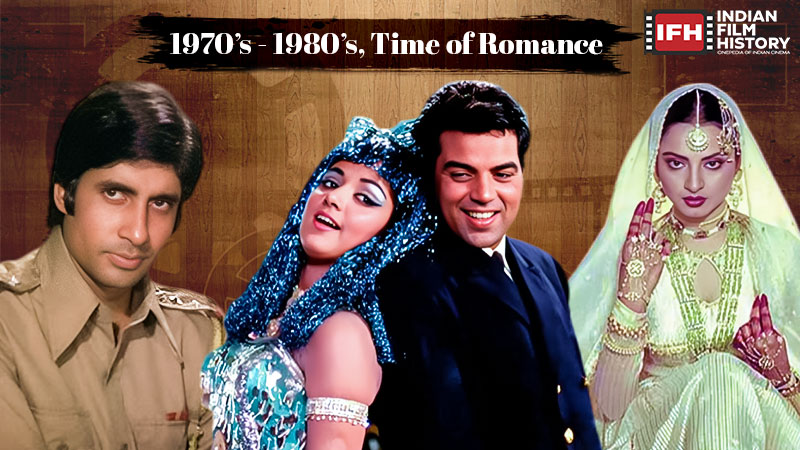
There was a loud voice and quick pace, and this voice was Amitabh Bachchan. This voice was famous in Zanjeer (1973), Sholay (1975), and Deewar (1975). He was a movement.
Rekha – Versatility and Transformation
Women went from vampire roles to big bold roles. Rekha was huge in the best roles she played in Umrao Jaan (1981) and Khoon Bhari Maang (1988). Women were told not to be women. She showed a woman could be so much more. Each woman is who she is.
Dharmendra and Hema Malini- The Power Duo
The pair of Hema Malini and Dharmendra brought life to the screen through the 70s and 80s. Hema Malini was beautiful with a brain. Dharmendra was just a pretty face. Pair them together and you get a pair of films.
The Multiplex Era (1990s–2000s)
Shah Rukh Khan – King of Romance
With smile, wit, and charisma, Shah Rukh Khan came to show today’s Bollywood love. Dilwale Dulhania Le Jayenge (1995) started his time, and he changed how the world saw Indian love films. He was well known all over the world, showing the world, who Indians are.
Aamir Khan – Perfectionist Extraordinaire
An actor known for change, Aamir Khan took roles that told the big and small stories of people and their time—Lagaan (2001), Taare Zameen Par (2007), 3 Idiots (2009). His skill and pickings moved many viewers and many more who watched them. Khan also started to make movies that made people talk about things like education, disability, and pride in the country.
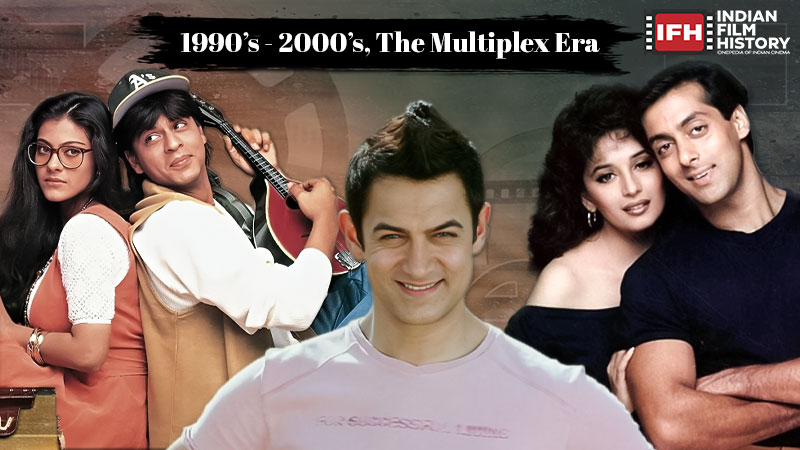
Madhuri Dixit – Grace with Attitude
Her style of dance and her great new way of looking made her the best in Hum Aapke Hain Koun. (1994) and Dil To Pagal Hai (1997). She mixed modern look and skill which was what the Indian girl of the time looked like. Her dance moves became a world-wide thing, and her acting was always good.
Akshay Kumar – The Khiladi Brand
Akshay Kumar went from action, to comedy, to serious films. His work in movies such as Hera Pheri (2000), Toilet: Ek Prem Katha (2017), and Pad Man (2018) got him praise for giving us a good mix of fun and real talk.
Global Cinema & Experimental Paths (2010s–2020s)
Ranbir Kapoor – Vulnerable Modernity
Ranbir Kapoor ga filmer som Rockstar (2011) og Barfi! (20112) ekte følelser. He moved between mainstream and indie, showing complexity in mainstream leading men. Kapoor’s performances often reflected inner conflict and generational change.
Deepika Padukone shines globally with films like “Piku” (2015), “Padmaavat” (2018), and “Chhapaak” (2020), showcasing her elegance and versatility as India’s cinematic ambassador. Her jump into Hollywood added to Bollywood’s spread in world films.
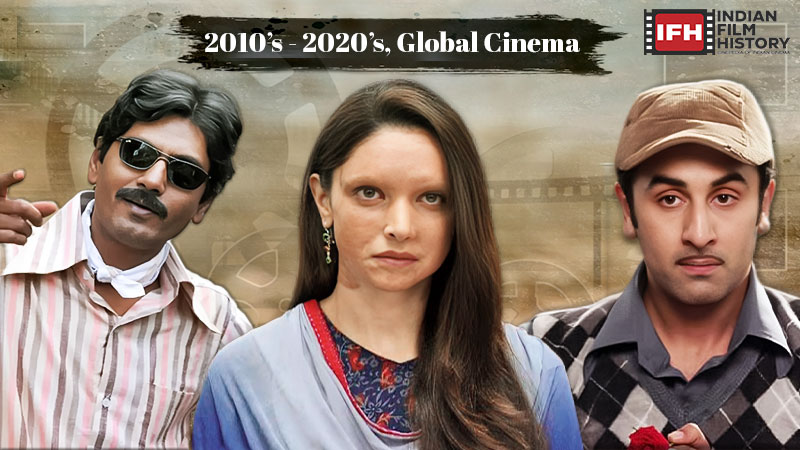
Nawazuddin Siddiqui – Voice of the Margins
Nawazuddin Siddiqui broke the Mold of what the Bollywood star is in movies like Gangs of Wasseypur and Sacred Games. He was not afraid to play rough and damaged people that made our favourite fun more real.
Transitional Icons (Supporting and Ensemble Influences)
Shabana Azmi and Smita Patil- The Faces of the New Wave
These actresses took audiences into socially relevant narratives. Patil’s Manthan (1976) and Azmi’s Arth (1982) carried realism forward—showing Bollywood’s evolving artistic depth.
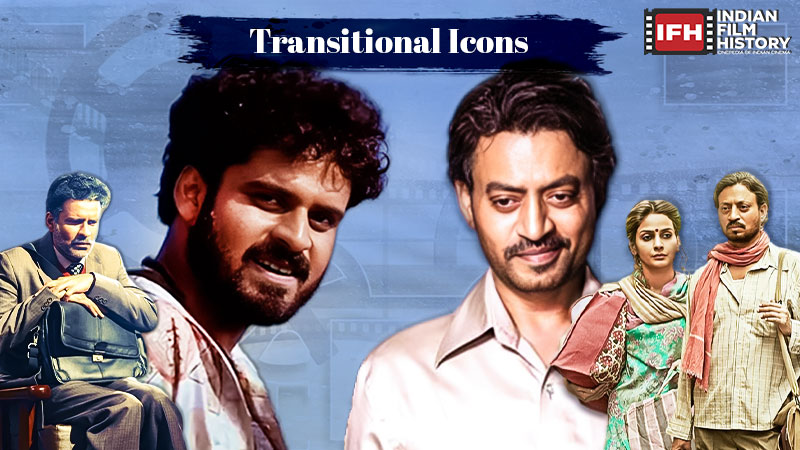
Irrfan Khan – Quiet Powerhouse
Irrfan Khan had deep feelings, even in small jobs. Manoj Bajpayee’s films, like “The Lunchbox”, “Masaan”, and “Hindi Medium”, garnered global acclaim for their raw, meaningful performances. He’s known for playing the underdog, delivering powerful roles in films like “Aligarh”, “Gangs of Wasseypur”, and “Satya”. He raised the level of storytelling with complex layers, which was big for films that focused on people.
How They Shaped Indian Cinema
Evolution of Storytelling
From still starts to loud sounds, from story to real life, each star changed how stories were told. They each had a way of doing life stuff (Rajplah Kapoor) or mirror sides (Aamir Khan, Ranbir Kapoor) and that changed how we saw stories.
Altering Styles of Acting
Early acting styles led to real acting. Changing acting rules can be seen in Rekha’s change, Bachchan’s power, Aamir’s “method” acting and Padukone’s real feelings.
Spot on! Indian cinema’s global footprint is expanding through international screenings, co-proitions, and streaming platforms, connecting with audiences worldwide. It is partly because of the work and fame of stars such as Padukone and Khan.
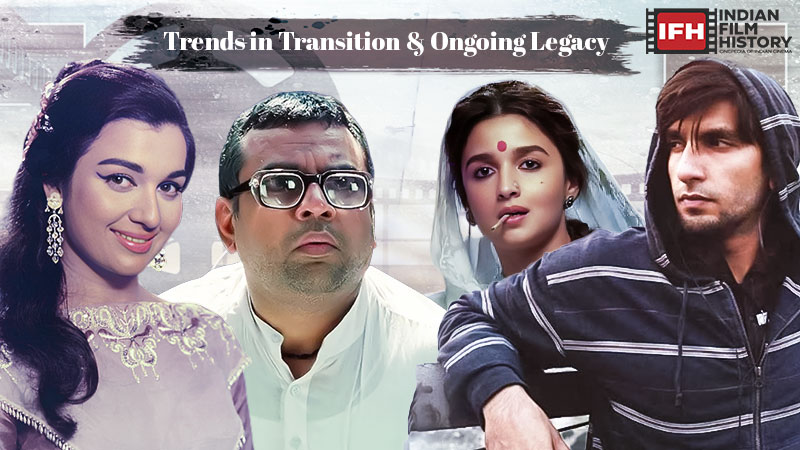
Trends in Transition and Ongoing Legacy
Ensemble and Genre Hybrids’ Ascent
Actors from Bollywood now work in ensemble casts and embrace intricate storylines that combine genres, including sci-fi, biographical, slice-of-life, and thriller. Without these icons’ early experiments, that change would be difficult to envision.
Next-Gen & Digital Revolution
Today’s young stars like Alia Bhatt, Ranveer Singh, Ayushmann Khurrana, and Kriti Sanon stand on their predecessors’ shoulders. They bring online engagement, diverse roles, and social discussion about identity and storytelling.
The OTT platforms have made it easy to tell many stories, so actors like Pankaj Tripathi, Jaideep Ahlawat, and Shefali Shah can come out on top and show the next big wave of layered, gripping parts.
Conclusion – Reflecting on 100 Years of Bollywood
Over a hundred years, Bollywood has been made by those who broke the norm and made new ways for film. From the first real star to the newest, each one made how we act, tell stories, and the way the world sees us change. As we mark 100 years of Bollywood, we celebrate transformation gone mainstream—yet full of artistic ambition. The real excitement lies ahead: what will the next century bring?


Leave a Comment